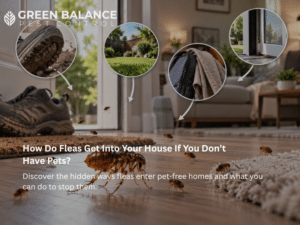

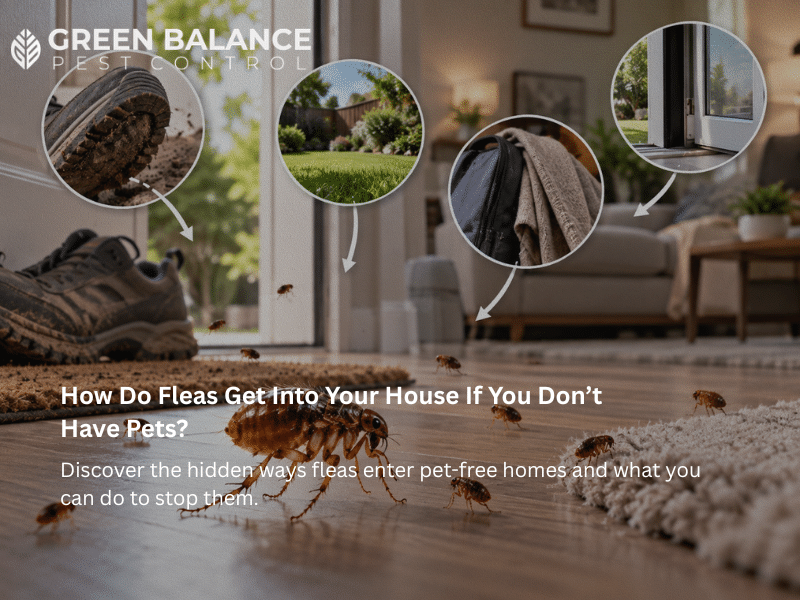
Finding fleas inside your home can be confusing, especially when you do not own a dog or cat. Many people assume fleas only become a household problem when pets bring them indoors, but that is not always the case. Fleas can enter homes through wildlife, people, clothing, used furniture, neighboring animals, or outdoor areas surrounding the property.
Once inside, fleas can be difficult to notice because they are small, fast-moving, and capable of hiding in carpets, furniture, cracks, and other protected areas. Understanding how fleas enter a home and where they hide is the first step toward getting rid of them and preventing another infestation.
Can You Get Fleas Without Having Pets?
Yes. A home does not need to have pets for fleas to become a problem. Fleas need a suitable environment and a host, but that host does not necessarily have to live inside your house.
Wild animals such as raccoons, opossums, rodents, and other animals can carry fleas around residential properties. Fleas may also enter through clothing, shoes, visitors, secondhand furniture, or areas where infested animals have recently been present.
Outdoor conditions can also contribute. If fleas are established around your yard, they can eventually make their way indoors through doors, windows, cracks, or people moving between outdoor and indoor spaces.
How Do Fleas Enter a Home?
There are several ways fleas can find their way inside.
Wildlife Around Your Property
Wildlife can be an overlooked source of flea activity. Animals visiting your yard, crawlspace, attic, garage, or areas underneath decks may carry fleas.
When these animals rest or nest near your home, fleas can drop into surrounding areas. Once the animal leaves, fleas may look for another available host.
People Can Carry Fleas Indoors
Fleas do not need to live permanently on a person to enter a home. They can sometimes hitchhike on clothing, shoes, bags, blankets, or other personal belongings after someone has been in an infested environment.
For example, visiting a home with an infestation, spending time around infested animals, or walking through a heavily affected outdoor area can create an opportunity for fleas to travel.
Used Furniture and Carpets
Secondhand furniture, rugs, mattresses, and carpets can sometimes introduce fleas into a home if they came from an infested environment.
Flea eggs and immature stages may be hidden deep inside fabrics where they are difficult to see.
This is why inspecting and thoroughly cleaning used upholstered items before bringing them indoors is a useful precaution.
Where Do Fleas Hide Inside a House?
Fleas do not always remain in obvious locations. Their small size allows them to hide in areas that receive little attention.
Carpets and rugs can provide shelter for flea eggs and larvae. Upholstered furniture, cracks between floorboards, closets, and areas underneath furniture can also provide suitable hiding places.
If an animal previously lived in the property, fleas may remain behind even after the animal is gone.
This can make Home Flea Extermination Services useful when homeowners continue finding fleas despite having no pets.
How to Recognize a Flea Infestation
Fleas are tiny, so seeing the insects themselves is not always easy. Instead, homeowners may notice other clues.
Small dark particles that resemble pepper may appear around carpets, bedding, furniture, or areas where animals have rested. These particles may be flea dirt.
You may also notice small bites around the ankles or lower legs, particularly after spending time on carpets or upholstered furniture.
Repeated sightings of tiny jumping insects are another important warning sign.
If these signs continue, it is better to investigate the source rather than assuming that the problem will disappear on its own.
Can Fleas Come From Your Yard?
Yes. Outdoor areas can play an important role in flea infestations, particularly where wildlife activity or shaded, humid conditions are present.
Fleas tend to favor protected environments rather than open, dry areas. Leaf piles, dense vegetation, shaded spaces, outdoor furniture, and areas where animals rest can provide suitable conditions.
Regularly maintaining the yard, removing unnecessary debris, and monitoring areas where wildlife may gather can help reduce potential flea habitats.
Why Fleas Can Be Difficult to Eliminate
One of the biggest challenges with fleas is their life cycle. An infestation is not made up only of adult fleas.
Fleas develop through multiple stages, including eggs, larvae, pupae, and adults. Some stages can remain hidden in carpets, furniture, cracks, and other protected areas.
This means killing the adult fleas you see may not completely solve the problem. Additional fleas can emerge later if immature stages remain untreated.
A comprehensive approach therefore needs to consider both visible activity and hidden stages.
What About Flea Treatment If You Have No Pets?
If you do not have pets, it is important to look beyond the usual explanation of pet-related flea activity.
Consider whether wildlife frequently visits your property, whether you recently purchased used furniture, whether someone in the household spends time around animals, or whether flea activity has previously occurred in the home.
A professional inspection can help identify potential sources and areas where fleas may be hiding.
For households concerned about treatment around family members, discussing Pet Safe Flea Treatment options may still be useful if animals occasionally visit the property or if neighboring pets frequently enter the yard.
How Can You Reduce Fleas Around Your Yard?
Outdoor prevention is an important part of controlling flea problems.
Keep grass and vegetation maintained and remove piles of leaves, branches, and other debris where animals may shelter. Pay attention to shaded areas around patios, sheds, crawlspaces, and decks.
If wildlife regularly visits your property, investigate possible food or shelter sources. Secure outdoor garbage and avoid intentionally feeding wildlife.
For properties with significant outdoor flea activity, a tick yard spray service near me may also lead homeowners to pest professionals who handle outdoor parasite management. Ask the provider specifically about flea treatment and the areas that need to be addressed.
Why Professional Treatment May Be Necessary
A flea infestation can continue even when homeowners clean regularly. Vacuuming and washing fabrics are helpful, but established infestations may involve areas that are difficult to reach.
Professional technicians can inspect indoor and outdoor areas, identify likely sources, and develop a treatment strategy based on the property.
Professional Pest Removal Services can be particularly valuable when fleas continue appearing after repeated cleaning or when homeowners cannot determine where they are coming from.
Cleaning Steps That Can Help
Homeowners can take several practical steps while addressing a flea problem.
Vacuum carpets, rugs, furniture, cracks, and areas underneath furniture regularly. Empty the vacuum contents appropriately so fleas do not remain inside the equipment.
Wash bedding, blankets, and washable fabrics according to their care instructions.
Reduce clutter where fleas can remain hidden, especially around floors and upholstered furniture.
If there are areas where wildlife may be nesting, avoid disturbing animals yourself. Professional assessment may be appropriate.
Preventing Fleas From Returning
Once flea activity has been reduced, prevention becomes important.
Continue vacuuming regularly and maintain outdoor areas. Inspect secondhand furniture carefully before bringing it indoors, and wash fabrics that have been exposed to potentially infested environments.
Monitor areas where wildlife or visiting animals may spend time.
If your property has recurring flea problems, keeping track of when and where you notice activity can help identify patterns.
For homeowners in Richmond, ongoing fleas and ticks control services near Richmond Tx can provide another option when outdoor conditions repeatedly contribute to pest activity.
What If Fleas Keep Coming Back?
Recurring flea activity usually deserves further investigation. If you have cleaned the home and still notice fleas, the source may be outside the main living areas.
Wildlife nesting sites, crawlspaces, garages, outdoor structures, carpets, or previously infested rooms may need closer attention.
Rather than repeatedly treating visible fleas, identifying the source and understanding the property’s conditions can provide a more effective long-term approach.
When Should You Call a Professional?
Consider professional assistance when flea activity continues for several days or weeks, when bites or sightings are increasing, or when you cannot determine the source.
Professional help can be particularly useful when there are multiple affected areas or when fleas continue returning after extensive cleaning.
An inspection can help determine whether the issue is primarily indoors, outdoors, or connected to wildlife activity around the property.
Conclusion
So, how do fleas get into your house if you don’t have pets? They can arrive through wildlife, people, clothing, used furniture, outdoor environments, or previous infestations. Once inside, eggs and immature stages can remain hidden in carpets, furniture, cracks, and other protected locations.
The most effective approach combines identification, cleaning, outdoor maintenance, source control, and professional treatment when necessary.
You do not need to own a pet to experience a flea problem. By paying attention to early warning signs and understanding where fleas may be coming from, Richmond homeowners can take action sooner and reduce the chance of a recurring infestation.
FAQs
Can you get fleas if you don’t have pets?
Yes. Fleas can enter through wildlife, people, clothing, used furniture, or outdoor areas where infested animals have been present.
Where do fleas come from if there are no pets?
Possible sources include wildlife around the property, previous pets or infestations, visitors who have been around animals, secondhand furniture, and outdoor flea populations.
Can fleas live in a house without animals?
Yes. Fleas can survive in different stages of their life cycle within carpets, furniture, cracks, and other protected areas while waiting for a suitable host.
How do I know if my house has fleas?
Common signs include tiny jumping insects, flea dirt, unexplained bites around the ankles, and recurring flea activity around carpets, furniture, or other indoor areas.
How can I prevent fleas without having pets?
Keep carpets and furniture clean, vacuum regularly, maintain your yard, reduce wildlife shelter areas, inspect used furniture, and address outdoor flea activity.
Can fleas come from my yard?
Yes. Fleas may be present in shaded outdoor areas where wildlife rests or nests. Maintaining vegetation and removing debris can help reduce favorable outdoor conditions.
How long does it take to get rid of fleas?
The timeframe varies depending on the size of the infestation, affected areas, flea life stages present, and treatment approach. Established infestations may require follow-up treatment and continued cleaning.
Should I hire a professional if I don’t have pets?
If fleas continue appearing despite cleaning and prevention, a professional inspection can help identify hidden indoor or outdoor sources and determine an appropriate treatment strategy.