
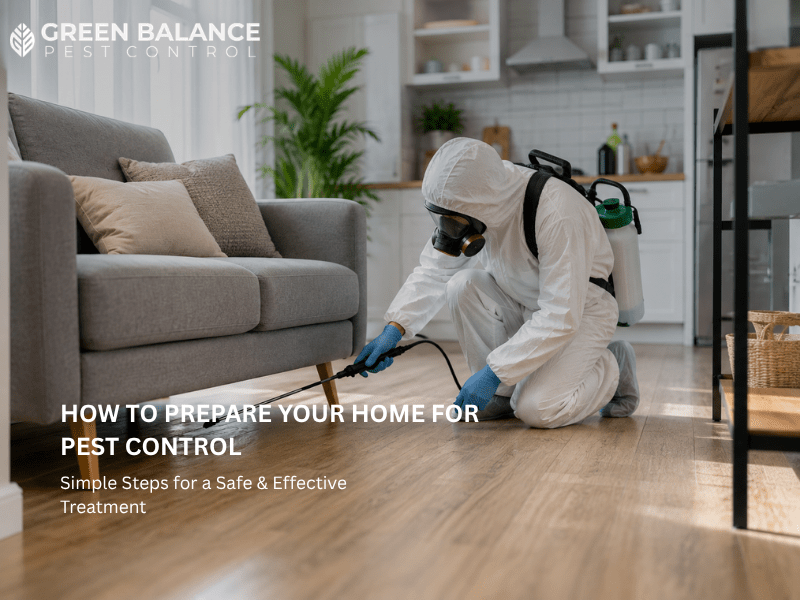
Scheduling professional pest control is an important step toward protecting your home, but proper preparation can make the process smoother and more effective. Whether you are dealing with ants, cockroaches, spiders, rodents, or another pest problem, knowing what to do before a technician arrives can help ensure the treatment reaches the areas that need attention.
Many homeowners are unsure about what they should clean, move, store, or inspect before treatment. Fortunately, preparation does not have to be complicated. A few simple steps can give technicians better access to problem areas and help homeowners understand what happens during and after treatment.
Why Home Preparation Matters
Pest control technicians need access to areas where pests may hide, enter, or travel. Clutter, furniture, stored items, and food can make these areas harder to inspect and treat.
Good preparation allows technicians to work efficiently while reducing unnecessary obstacles. It can also help homeowners identify conditions that may be contributing to pest activity.
A professional Pest Inspection and Treatment process typically starts with identifying signs of infestation, possible entry points, moisture sources, and other conditions that may support pests.
Clean and Declutter Problem Areas
You do not necessarily need to deep-clean your entire home before treatment. Instead, focus on areas where pest activity has been noticed.
Remove unnecessary clutter from floors, corners, closets, garages, and storage areas. Move small items away from walls when appropriate so technicians can inspect baseboards and other potential pest pathways.
Cleaning food crumbs and spills is also important because accessible food can continue attracting pests after treatment.
Protect Food and Household Items
Food should be stored in sealed containers before treatment. Open food, pet food, dishes, and kitchen utensils should be properly covered or stored according to the technician’s instructions.
This is particularly important when treating kitchens, pantries, or dining areas.
The goal is to prevent unnecessary exposure and make treated areas easier to manage after service.
Prepare Pets and Children
Children and pets should be kept away from treatment areas according to the instructions provided by the pest control professional.
Pet bowls, toys, bedding, and other frequently used items may need to be moved or protected depending on the type of service being performed.
Always follow the specific product and technician instructions because preparation and re-entry requirements can vary depending on the treatment.
What Happens During a Pest Inspection?
Before treatment begins, technicians typically assess the property to understand the extent of the pest problem.
They may look around kitchens, bathrooms, garages, foundations, crawlspaces, attics, landscaping, and other areas where pests commonly hide or enter.
A thorough General Pest Inspection Services approach helps identify the conditions contributing to the problem rather than focusing only on visible pests.
Understanding Home Pest Inspection Treatment
Inspection findings help determine what type of treatment is appropriate. Different pests require different strategies, and the same approach does not work for every infestation.
For example, a mosquito problem may require outdoor management, while rodents may require entry-point exclusion and removal strategies.
A professional Home Pest Inspection Treatment approach considers the specific pest, location, severity, and property conditions.
Seal Entry Points Before or After Treatment
Small openings around doors, windows, pipes, vents, and foundations can provide pests with easy access.
Depending on the situation, technicians may recommend sealing these openings before or after treatment.
Pest Proofing Home Services can help reduce future pest entry by addressing structural weaknesses around the property.
Homeowners should also check damaged screens, gaps beneath doors, and cracks around utility penetrations.
What to Do After Treatment
After treatment, follow all instructions provided by your pest control professional. These may include staying away from treated areas for a specified period or allowing certain surfaces to dry before normal use.
Avoid immediately washing treated surfaces unless instructed to do so. Removing treatment too quickly can reduce its effectiveness.
Keep monitoring your home for pest activity and report unusual or continuing problems to the provider.
Why Prevention Should Continue After Treatment
Professional treatment addresses an existing pest problem, but prevention helps reduce the chances of future infestations.
Keep food sealed, repair plumbing leaks, remove unnecessary clutter, maintain landscaping, and inspect the exterior of your property regularly.
For homeowners who experience recurring problems, Preventative Pest Control Plans can provide a more proactive approach to property protection.
When Should You Schedule Pest Control?
Do not wait until a pest problem becomes severe. Repeated sightings, droppings, damaged materials, nests, unusual odors, and unexplained activity can all be reasons to schedule an inspection.
Early professional attention may make it easier to identify the source and address contributing conditions.
Conclusion
Preparing your home before pest control treatment does not have to be difficult. Cleaning problem areas, removing clutter, securing food, protecting household items, and following professional instructions can make treatment easier and more effective.
Most importantly, homeowners should view pest control as both treatment and prevention. Once the immediate problem is addressed, maintaining the property and monitoring for new activity can help keep pests from returning.
FAQs
Should I clean my house before pest control?
Clean food crumbs and spills and remove clutter from treatment areas. Follow your technician’s specific preparation instructions.
Should pets be removed during pest control?
Pets may need to stay away from treatment areas depending on the service. Always follow the professional’s safety instructions.
Do I need to move furniture?
You may need to move certain items away from walls or treatment areas so technicians can inspect and access potential pest pathways.
What happens after pest control treatment?
Follow the technician’s re-entry and cleaning instructions and continue monitoring for pest activity.
Can pest control prevent future infestations?
Yes. Prevention can include sealing entry points, reducing moisture and food sources, regular inspections, and ongoing maintenance.